1 · 到院生命体征1 · Arrival vital signs到院记录:心率 86 次/分,呼吸 26 次/分,血压 67/46 mmHg,SpO₂ 85%。不要因心率没有显著增快而弱化对灌注与氧合的担心。Recorded on arrival: heart rate 86/min, respiratory rate 26/min, blood pressure 67/46 mmHg, and SpO₂ 85%. The absence of marked tachycardia should not weaken concern about perfusion and oxygenation.
哪些生命体征组合不能用“心率还好”来解释?Which vital-sign combination cannot be dismissed because the heart rate seems less striking?
source_recorded
2 · 初始查体与出血来源2 · Initial examination and bleeding source右上肢以夹板固定,病历没有记录足以解释当前休克的明显外出血。患者处于多发伤背景,胸、腹、骨盆与长骨等隐匿来源仍未闭环。The right upper limb is splinted, and the record does not describe obvious external bleeding sufficient to explain the shock state. In polytrauma, occult chest, abdominal, pelvic, and long-bone sources remain unresolved.
在不预设最终诊断的情况下,你的隐匿出血地图包含哪些区域?Without assuming the final diagnosis, which regions remain on the occult-bleeding map?
前轮即应启动救治。条件决策:不稳定+FAST阳性且无反应,直接止血/损伤控制,不去CT;FAST原始结果未提供。Care must start in the prior round. Conditional decision: unstable positive FAST nonresponder→direct hemorrhage control, not CT. Original FAST result was not supplied.
3 · 二次生命体征3 · Repeat vital signs复评记录:心率 105 次/分,呼吸 33 次/分,血压 58/36 mmHg,SpO₂ 81%。与到院相比,循环、呼吸和氧合多轴同时恶化。Repeat record: heart rate 105/min, respiratory rate 33/min, blood pressure 58/36 mmHg, and SpO₂ 81%. Compared with arrival, circulation, breathing, and oxygenation worsen together.
这组趋势是否改变了影像、血液、会诊与手术资源的同步优先级?Does this trend change synchronization priority for imaging, blood, consultation, and operative resources?
source_recorded
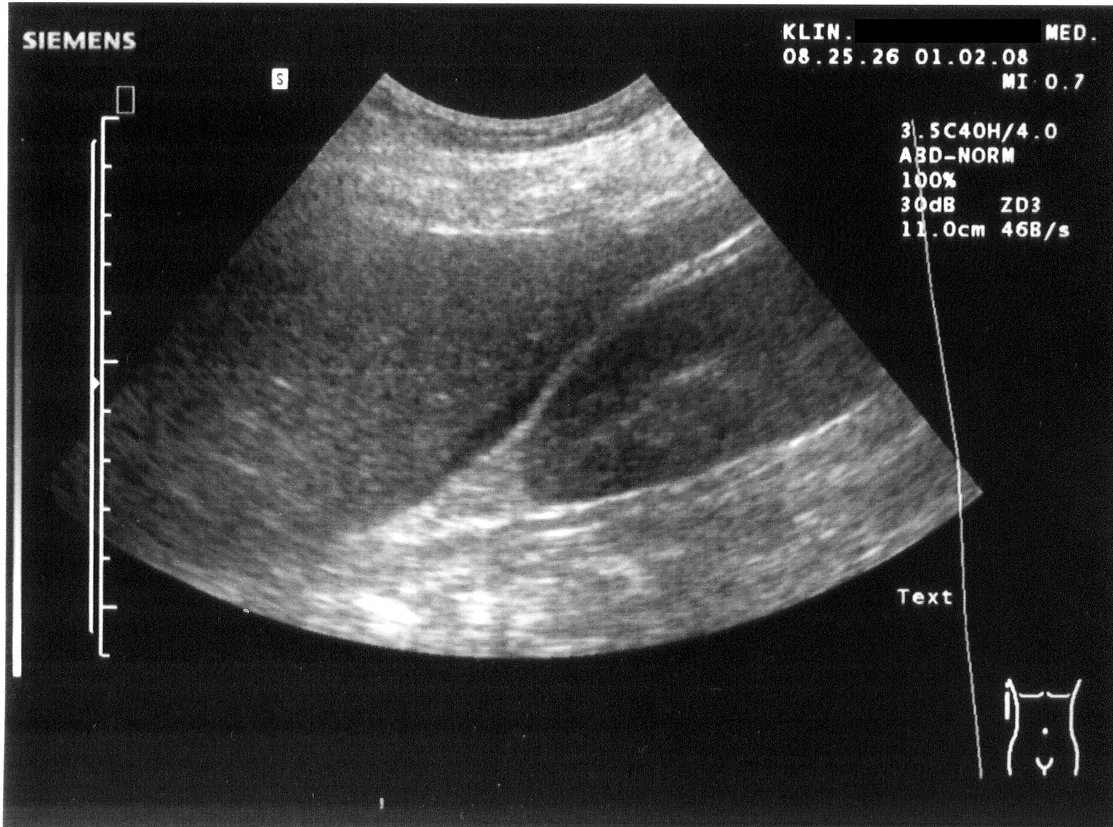
4 · 影像与多部位损伤4 · Imaging and multi-region injury报告提示多发肋骨骨折、肺挫伤与胸腔积液风险,同时有肝损伤、腹腔/盆腔积血、骨盆骨折和肱骨骨折信息。学员需重新组织 B/C/E 与并行任务。The report raises concern for multiple rib fractures, lung injury, and pleural fluid, together with liver injury, abdominal or pelvic blood, pelvic fractures, and a humeral fracture. Learners reorganize B/C/E priorities and parallel work.
现在哪一个损伤名称不应取代整体问题表征?Which injury label must not replace the overall problem representation?
5 · 意识与呼吸再恶化5 · Further mental and respiratory deterioration后续记录显示患者意识由可评估转为昏迷,氧合继续下降。这是回到 A/B/C/D 同时复评的触发点,不是只更新一个监护数字。Later records show progression from assessable consciousness to coma with further oxygenation decline. This triggers simultaneous A/B/C/D reassessment rather than merely updating one monitor value.
意识变化使你重新检查哪些主导风险?Which dominant risks must be reopened by the mental-status change?
6 · 资源时间轴6 · Resource timeline多专科、血液、重症与手术资源以不同速度到位。当患者的生命体征轨迹已恶化,团队需同步说明当前瓶颈、负责人与下一次更新点。Specialty, blood, critical-care, and operative resources become available at different speeds. As vital-sign trajectory worsens, the team also states the current bottleneck, owner, and next update point.
现在的患者瓶颈和系统瓶颈分别是什么?What are the current patient and system bottlenecks?
7 · 术中所见7 · Operative findings记录显示腹盆腔大量积血与肝、脾多部位损伤。这一信息用于回顾早期查体、生命体征与隐匿出血风险图,不反向构造唯一正确答案。The record describes major hemoperitoneum and injuries involving the liver and spleen. This supports review of the early examination, vital signs, and occult-bleeding map without hindsight construction of one correct answer.
早期哪一条线索已经提示“目前看到的还不是全部”?Which early clue already suggested that the visible picture was incomplete?
8 · 不良结局8 · Adverse outcome病例最终发生反复心搏骤停,复苏未能成功。复盘应把初始查体、两组生命体征、意识/氧合恶化与系统资源轨迹同时放在桌面上。The case ultimately involved recurrent cardiac arrest and unsuccessful resuscitation. Debrief places initial examination, both vital-sign sets, mental and oxygenation deterioration, and the system-resource trajectory on one timeline.
请提出一个不带指责、但能改善下次识别与协同的问题。Ask one non-blaming question that could improve recognition and coordination next time.
teacher_facilitated_debrief