第 4 轮 · 上肢神经查体Round 4 · Upper-limb neurological examination
一个问题:现在你的主导风险和保护状态报告如何改变?One question: how do your dominant risk and protection-status report change now?
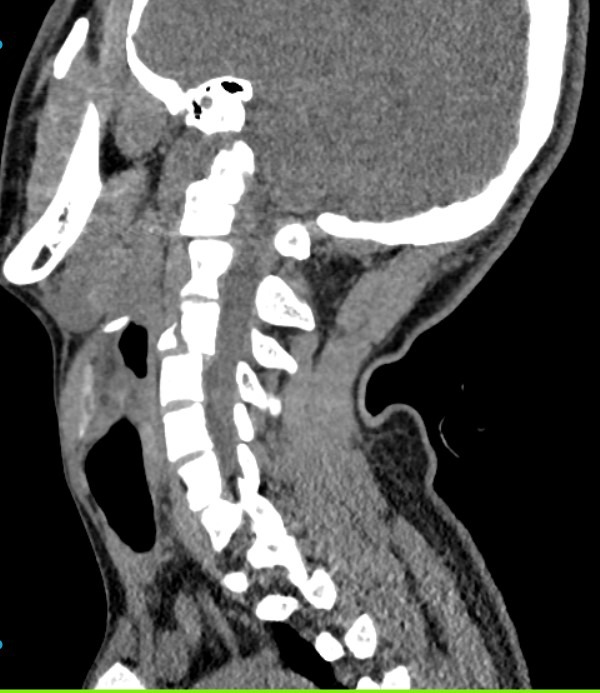
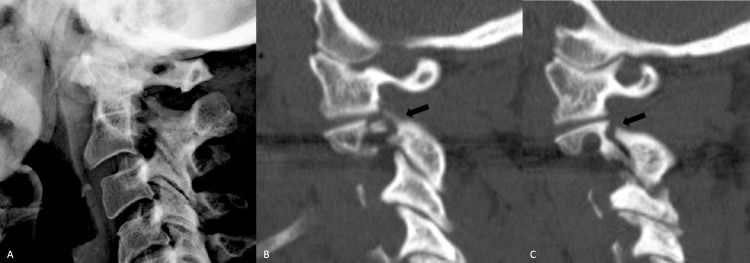
趋势变化:双上肢刺痛难忍、触碰敏感且活动受限——对称性神经症状出现,比“生命体征暂稳”更能促使团队回到 A/D 轴。Trend: bilateral upper-limb severe tingling pain, touch sensitivity, limited movement — symmetric neurological symptoms that outweigh "temporarily stable vitals" and pull the team back to the A/D axes.
信息边界:神经症状是颈椎/颈髓风险的复评触发点,不是颈椎损伤的确诊;影像结果未改变床边保护要求。Boundary: neurological symptoms trigger cervical-spine/cord risk reassessment, not a diagnosis of spinal injury; imaging does not lift bedside protection.
复盘节奏:每人口头更新一次“主导风险+保护状态”,教师核对是否回到 A/D。Debrief beat: each learner verbalises an updated "dominant risk + protection status"; instructor checks the return to A/D.
第 5 轮 · 骨盆/髋部与四肢Round 5 · Pelvis/hip and limbs
一个问题:请同时报告髋部畸形、肢端状态和当前搬动风险。One question: report hip deformity, distal status, and current movement risk together.
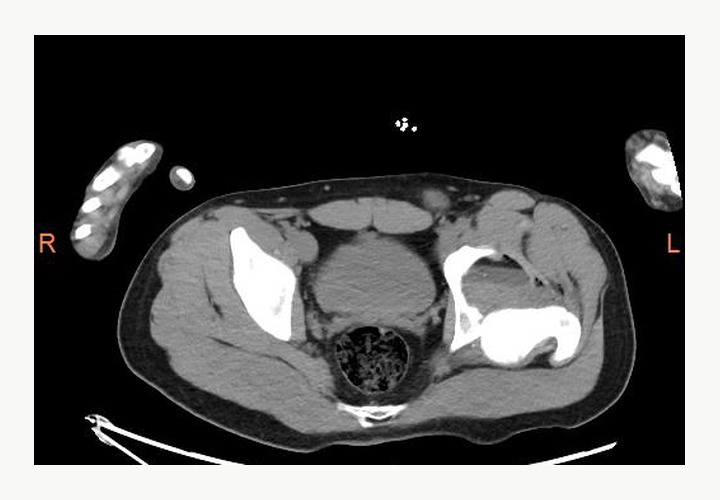
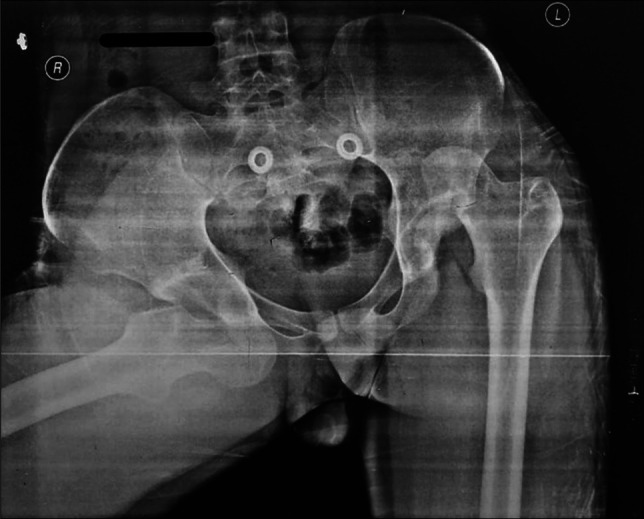
趋势变化:左下肢短缩、左髋部突出、压痛且活动受限;源资料描述肢端血运尚可——但“血运尚可”不降低搬动风险等级。Trend: left leg shortening, prominent left hip, tenderness with limited movement; source notes distal perfusion as adequate — but "adequate perfusion" does not lower movement-risk level.
信息边界:肢端血运尚可不取代疼痛、神经功能与搬动前后的重复记录;髋部 CT 信息为教学表述(脱位/髋臼损伤风险),专科复核待完成。Boundary: adequate distal perfusion does not replace pain, neurological, and pre-/post-movement documentation; hip CT wording is a teaching statement (dislocation/acetabular risk), specialty review pending.
复盘节奏:三人小组演练一次搬动前简报:畸形—血运—神经—搬动方案。Debrief beat: trios drill one pre-movement briefing: deformity–perfusion–neuro–movement plan.
第 6 轮 · 检查后床边复评Round 6 · Post-investigation bedside reassessment
一个问题:如果生命体征仍相对平稳,你的风险排序为什么仍然必须改变?One question: if vitals remain relatively stable, why must your risk ranking still change?
趋势变化:检查回来后重新观察、询问和检查患者——双上肢神经症状、左髋畸形与保护交接缺口都在这一轮被发现;“已经检查”不等于“已经复评”。Trend: re-observing, re-asking, and re-examining after investigations — bilateral upper-limb neuro symptoms, left hip deformity, and protection-handover gaps surface here; "already investigated" ≠ "already reassessed".
信息边界:影像和“已经检查”不能替代床边复评;平稳的生命体征不取消神经与搬动风险。Boundary: imaging and "already done" do not replace bedside reassessment; stable vitals do not cancel neuro/movement risk.
复盘节奏:列出本轮新发现的三个缺口,指定每条的跟进人与复评节点。Debrief beat: list the three gaps found this round; assign each an owner and a reassessment node.
收尾 · 趋势复评契约Close · Trend-reassessment contract
一个问题:请为这名患者写出一条具体的“下一次复评”交接句。One question: write one concrete "next reassessment" handover sentence for this patient.
趋势变化:从“看到什么”转向“下一次谁、在哪个节点、重新记录什么”:生命体征、意识、呼吸、双上肢神经功能、左下肢与肢端血运。Trend: from "what we see" to "who re-records what, at which node, next time": vitals, consciousness, breathing, bilateral upper-limb neuro function, left leg and distal perfusion.
信息边界:交接句必须可执行(人物+节点+内容),“密切观察”不算交接句。Boundary: the handover sentence must be actionable (who + node + what); "observe closely" does not count.
复盘节奏:每人写一条交接句,互相检查三要素是否齐全。Debrief beat: each learner writes one handover sentence; peers check all three elements.