TM TraumaMaster Academy
分层创伤课堂Tiered trauma learning

创伤救治链总览Trauma Care Chain Overview

这门课把院前预警、到院交接、xABCDE、休克识别、资源协调和转运交接连成一张图,帮助青年医生建立“从信息到复评”的系统思维。This course connects pre-arrival alert, bay handoff, xABCDE, shock recognition, resource coordination, and transfer handoff into one map so early clinicians can reason from information to reassessment.

来源与审核记录Sources and review record
本地流程以院内授权为准Local pathways require institutional authorization35 min
Trauma care chainconcept map
Pre-alertknown / unknown Handoffshared board xABCDEteam language Reassesstrend changes Resourcesblood / imaging / OR / ICU Transferstructured handoff

预计学习Estimated learning time · 35 分钟min

学完这门课,你能……After this course, you can…

  1. 描述预警、到院初评、复苏与归处的连续信息流。Describe information flow through pre-alert, assessment, resuscitation and disposition.
  2. 把团队、血库、影像和专科任务连接到明确责任人。Connect team, blood bank, imaging and specialty tasks to owners.
  3. 用趋势、未解问题和复评安排完成交接。Handover trends, unresolved concerns and reassessment plans.
实习:识别与报告;规培:决策时机与监督下关键步骤;青年主治:团队指挥与资源调度。Intern: recognize/report; resident: decision timing and supervised key steps; early attending: team leadership and resources.
课前测 · 5 题Pretest · five questions

每题 1 分;用于形成性反馈。One point per item; formative feedback.

合成情境题Synthetic vignette 1. 32岁男性交通伤员尚在救护车转运途中,HR132次/min、BP86/54 mmHg、SpO₂92%。胸部压痛、呼吸费力,团队收到伤情和已实施措施,却没有预计到院时间,需并行准备。下一步最合适的是?A 32-year-old man remains in ambulance transfer after a road collision; HR 132/min, BP 86/54 mmHg, SpO₂ 92%. He has chest tenderness and labored breathing. Injuries/actions were reported, but ETA is missing from the pre-alert. What is the most appropriate next step?
合成情境题Synthetic vignette 2. 32岁女性高处坠落后转入创伤中心,HR132次/min、BP86/54 mmHg、SpO₂92%。下肢已加压止血,接收者已知年龄、机制和伤部;伤后时长与途中复苏反应尚未交代。下一步最合适的是?A 32-year-old woman is transferred after a fall; HR 132/min, BP 86/54 mmHg, SpO₂ 92%. Limb pressure control is in place. Age, mechanism and injuries are known, but time since injury and response to treatment are missing. What is the most appropriate next step?
3. MTP启动后哪个过程时间最值得持续记录?Which MTP process times should be tracked?
4. 危重成人转运,出发前应先核查哪组设备?Which equipment set is checked before critical adult transfer?
5. 交接有未回报增强CT结果,谁负责跟踪?Contrast CT has no final report at handover. Who follows it?

核心章节 · 六个环节Core lessons · six links

一条链,六个环节:哪一环断了,病人就可能失血Six links in one chain: break one and the patient may bleed out

从现场分诊到归处交接,每个环节都写清楚:要做什么、关键数字、指南依据。From field triage to disposition: what to do, the key numbers and the guideline for each link.

  1. 1现场与分诊Scene & triage分诊到合适医院Right hospital
  2. 2院前预警Pre-alertATMIST
  3. 3团队接收Reception简报 · 交接Brief · handover
  4. 4复苏与止血ResuscitatexABCDE · DCRxABCDE · DCR
  5. 5确定性决策Definitive手术 · 介入 · CT · 转运OR · IR · CT · transfer
  6. 6归处与复评Disposition交接 · 三次评估Handover · tertiary
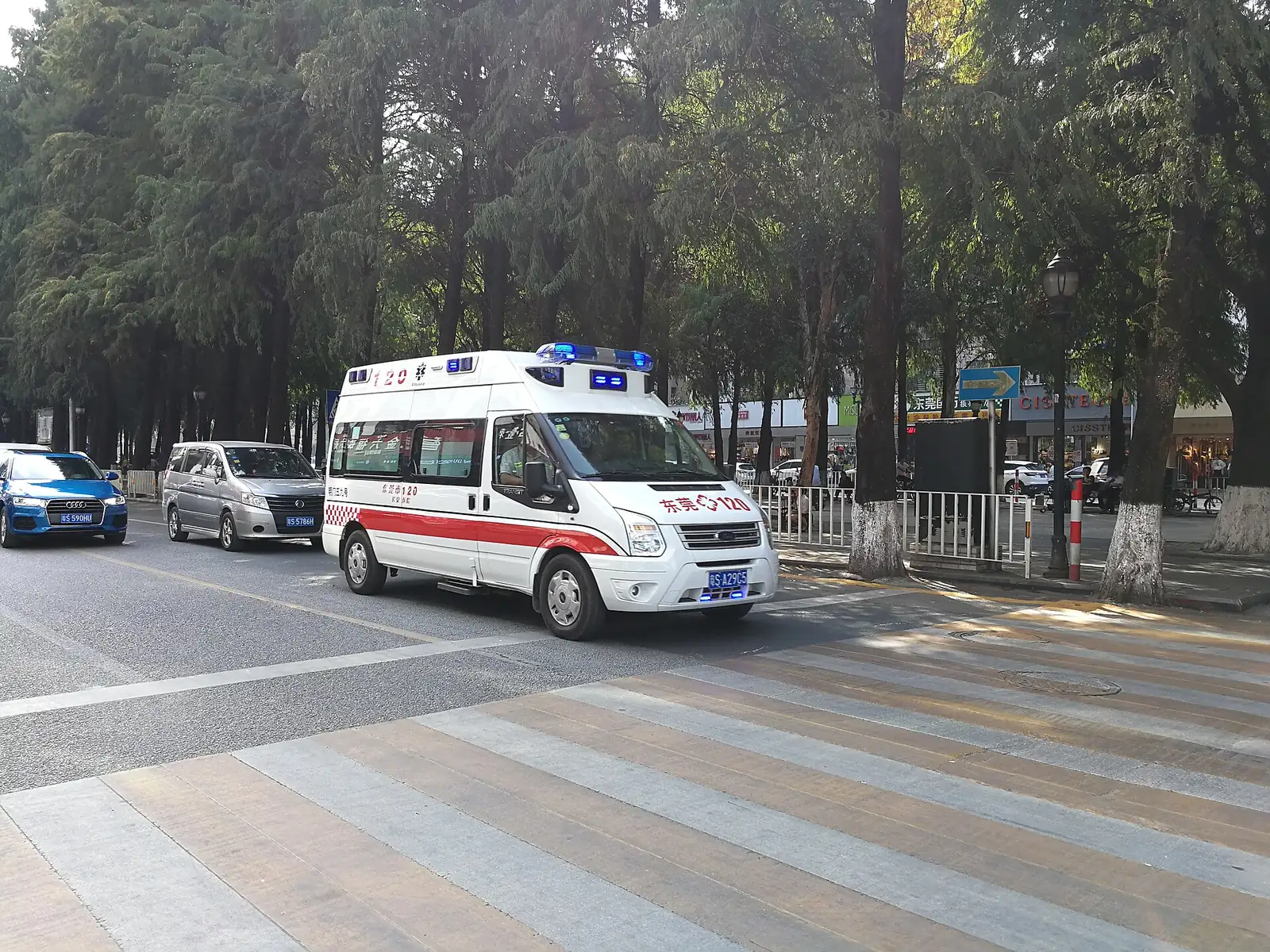
Chinese 120 ambulance
真实照片/影像Real image国内 120 院前急救车辆。院前与医院之间的信息质量决定接收准备。A Chinese 120 ambulance: the information it sends shapes reception.廣九直通車 · CC BY-SA 4.0 · Wikimedia Commons

01 · 现场分诊Field triage

把对的病人送到对的医院Get the right patient to the right hospital

重伤员越早到达有确定性止血能力的医院越好。现场分诊决定救治链的起点。The sooner a severely injured patient reaches a hospital that can stop bleeding, the better. Field triage sets the chain’s start.

红色标准(举例)Red criteria (examples)

不能听从指令;呼吸 <10 或 >29 次/分;成人收缩压 <90 mmHg;头颈躯干穿透伤;怀疑骨盆骨折;需止血带或填塞的出血。Cannot follow commands; RR <10 or >29; adult SBP <90 mmHg; penetrating head/neck/torso; suspected pelvic fracture; bleeding needing tourniquet or packing.

去哪里Where

直接送往有能力处理的创伤中心;国内参照各地创伤中心分级与 120 调度。Directly to a capable trauma centre; in China follow regional trauma-centre levels and 120 dispatch.

时间Time

目标是缩短“受伤到止血”的时间,而不只是“到医院”的时间。Minimise injury-to-haemorrhage-control time, not just time to hospital.

欧洲指南推荐:重伤员直接转运至合适的创伤机构(1B),并尽量缩短受伤至出血控制的时间(1B)。European guideline: transport severely injured patients directly to an appropriate trauma facility (1B) and minimise time to bleeding control (1B).

European guideline 6th ed. (2023) R1 · ACS COT Field Triage (2021)
展开:指南原文要点与教学提示Expand: guideline points and teaching notes

国内:国家卫生健康委 2018 年《关于进一步提升创伤救治能力的通知》推动建立分级创伤中心和区域救治网络。China: the 2018 National Health Commission notice on improving trauma care capacity set up tiered trauma centres and regional networks.
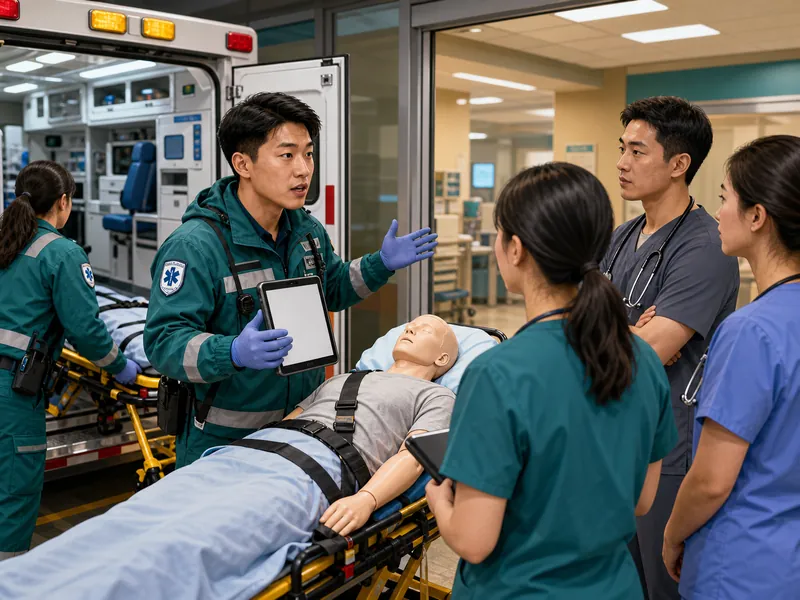
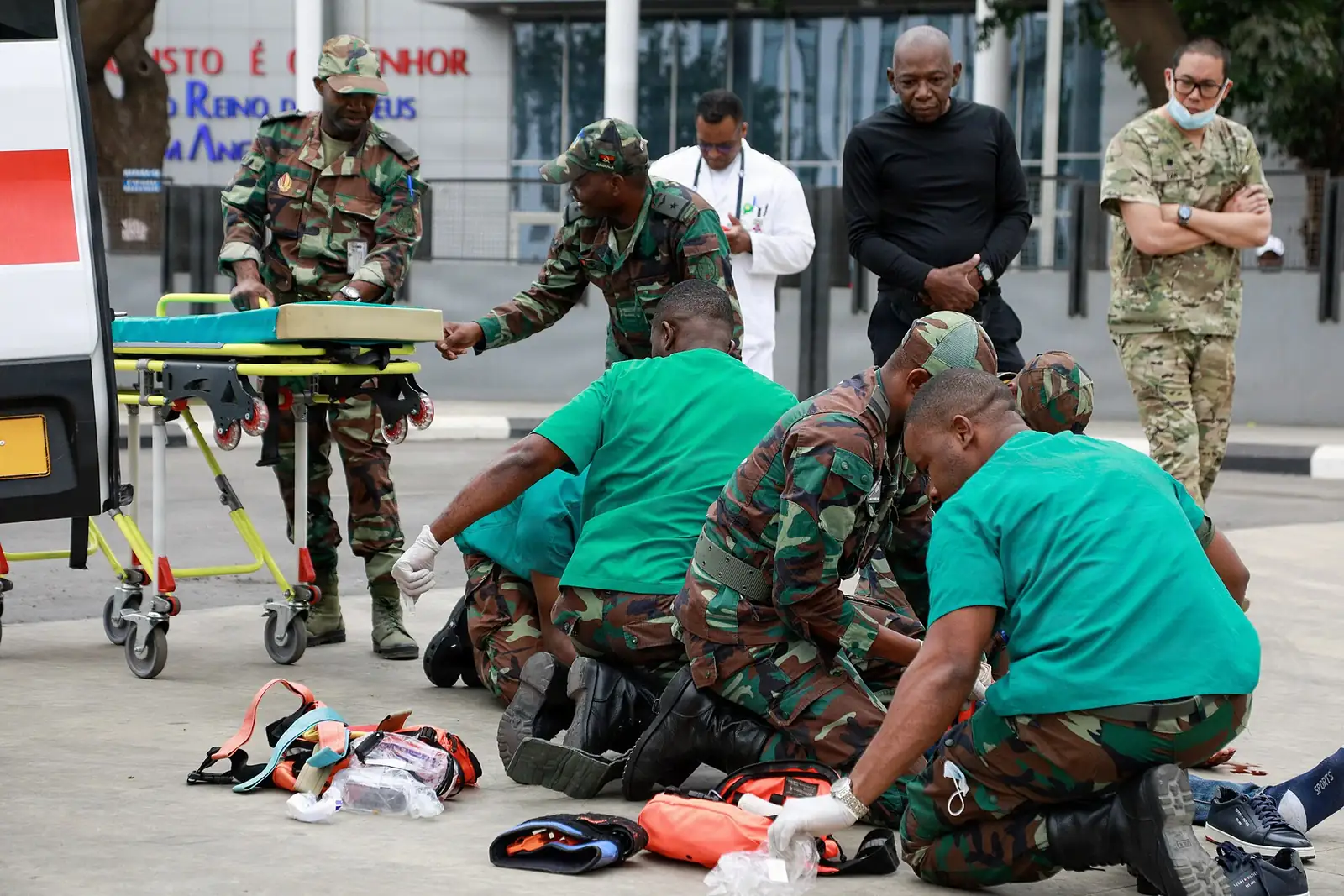
Prehospital pre-alert
AI 教学插图AI teaching illustration院前团队在途中完成预警与复评。The pre-hospital team pre-alerts and reassesses en route.

02 · 院前预警Pre-alert

预警电话:一分钟,决定接下来十分钟One minute of pre-alert shapes the next ten

院前用 ATMIST 预警;医院据此启动对应级别的创伤团队、通知血库和手术室,并写在共享白板上。Pre-hospital teams pre-alert with ATMIST; the hospital activates the right team, alerts blood bank and theatre, and writes it on a shared board.

必须有Must include

ETA、机制、生命体征趋势、已做处置(止血带时间、TXA、液体)。ETA, mechanism, vital-sign trends, treatment (tourniquet time, TXA, fluids).

医院动作Hospital actions

启动团队、预热房间、准备血制品和骨盆带、通知影像/手术。Activate team, warm room, ready blood and binder, alert imaging/theatre.

常见缺口Common gaps

受伤时间、途中变化、抗凝药使用——明确写“未知”。Time of injury, en-route change, anticoagulants — write “unknown”.

交接信息按固定结构说完,接收方复述关键数字(ETA、血压、止血带时间)。Deliver a fixed structure; the receiver reads back key numbers (ETA, BP, tourniquet time).

ATMIST · NICE NG39 (2016) · ATLS 11
Handover simulation
真实照片/影像Real image救护车到院交接演练。担架停稳、团队到位、一个人说话。Ambulance-to-hospital handover drill: stretcher stopped, team ready, one voice.U.S. Army photo by Capt. Jordan Beagle · Public domain · Wikimedia Commons

03 · 到院接收Reception

到院:安静交接,然后多人并行Arrival: quiet handover, then parallel work

交接不是念完就结束:接收方要确认已知、未知和当前担心,然后团队按岗位同时开始 xABCDE。Handover is not just reading aloud: confirm known, unknown and current worries, then start xABCDE in parallel.

已知Known

机制、受伤部位、生命体征及趋势、已做处置。Mechanism, injuries, vitals and trends, treatment.

未知Unknown

明确说“尚不清楚”,不用猜测补空白。Say “not known” rather than guessing.

担心Worried

用观察到的变化表达:“途中收缩压从 110 降到 88”。State observed change: “SBP fell from 110 to 88 en route.”

ATLS 第 11 版:致命外出血先控制(xABCDE),初评中发现威胁立即处理,并反复复评。ATLS 11: control exsanguinating haemorrhage first (xABCDE), treat threats as found, reassess repeatedly.

ATLS 11 (2025) · TeamSTEPPS 3.0
Shock resuscitation
AI 教学插图AI teaching illustration团队在复苏间进行血制品输注与复评。The team transfuses and reassesses in the bay.

04 · 复苏止血Resuscitation

损伤控制复苏:止血、少晶体、早输血、防凝血病Damage control resuscitation: stop bleeding, limit crystalloid, give blood early

失血性休克的核心是尽快止血。在止血前,用允许性低血压、早期平衡输血、氨甲环酸和保温来争取时间,避免“致死三联征”。The core is stopping the bleeding. Until then, buy time with permissive hypotension, early balanced blood, TXA and warming to avoid the lethal triad.

致死三联征Lethal triad

低体温、酸中毒、凝血病,加上低钙血症常被称为“致死菱形”。Hypothermia, acidosis, coagulopathy — with hypocalcaemia, the “lethal diamond”.

输什么What to give

尽早使用血制品,按大量输血方案平衡输注;限制晶体液。Blood products early via a massive transfusion protocol; restrict crystalloid.

别忘了Don’t forget

加温输液、保暖、监测离子钙与凝血(可用黏弹性检测指导)。Warm fluids, keep warm, monitor ionised calcium and coagulation (viscoelastic tests).

氨甲环酸应在伤后 3 小时内尽早给予,不必等待黏弹性检测结果(欧洲指南 R23,1A)。Give TXA as early as possible within 3 h of injury, without waiting for viscoelastic results (EU R23, 1A).

European guideline 6th ed. (2023) R13, R23, R31 · CRASH-2 (Lancet 2010)
展开:指南原文要点与教学提示Expand: guideline points and teaching notes
80–90mmHg

无颅脑损伤时,出血控制前的目标收缩压(允许性低血压)Target SBP before bleeding control, no TBI (permissive hypotension)

EU 2023 R13 · 1B
≥80mmHg MAP

重型颅脑损伤(GCS ≤8)时维持的平均动脉压MAP to maintain with severe TBI (GCS ≤8)

EU 2023 R13 · 1C
3 hTXA

伤后 3 小时内尽早:1 g 10 分钟内,再 1 g 8 小时输注As early as possible within 3 h: 1 g over 10 min, then 1 g over 8 h

EU 2023 R23 · 1A · CRASH-2
Ca²⁺正常范围normal

监测并维持离子钙正常,大量输血时尤其重要Monitor and keep ionised calcium normal, especially in massive transfusion

EU 2023 R31 · 1C
Resource coordination
AI 教学插图AI teaching illustration资源协调:血库、影像、手术、介入、ICU 同步更新。Resources: blood bank, imaging, theatre, IR and ICU updated together.

05 · 确定性决策Definitive care

去哪里止血:手术室、介入室、CT 还是转院Where to stop the bleeding: OR, IR, CT or transfer

决策取决于生理状态:血流动力学不稳定的患者不应被送去 CT“先看看”,而应去能止血的地方;本院能力不足时尽早转运。Physiology decides: unstable patients should not go to CT “to have a look” but to where bleeding can be stopped; transfer early if capability is lacking.

不稳定Unstable

床旁 eFAST + 胸/骨盆 X 线 → 手术室/杂交手术室;骨盆出血考虑填塞或栓塞。Bedside eFAST + chest/pelvis X-ray → OR/hybrid OR; packing or embolisation for pelvic bleeding.

稳定/有反应Stable/responding

增强 CT(全身 CT)明确损伤,再决定手术、介入或非手术治疗。Contrast CT (whole-body) to define injuries, then operate, embolise or observe.

需转院Transfer

医生对医生直接沟通;不要为了完善检查而推迟转运。Doctor-to-doctor call; do not delay transfer for tests.

ATLS:一旦判断需要转运到确定性治疗,不要因诊断性检查而延误转运。ATLS: once transfer to definitive care is needed, do not delay it for diagnostic tests.

ATLS 11 · Transfer to definitive care · European guideline (2023)
展开:指南原文要点与教学提示Expand: guideline points and teaching notes

转运前核对:气道是否安全、通路是否足够、血制品与药物、氧气与电量、陪同人员资质、接收医院和联系人。ATLS 推荐使用 ABC-SBAR 结构完成转运交接。Before transfer check airway, access, blood and drugs, oxygen and batteries, escort skills, receiving hospital and contact. ATLS recommends ABC-SBAR for transfer handover.

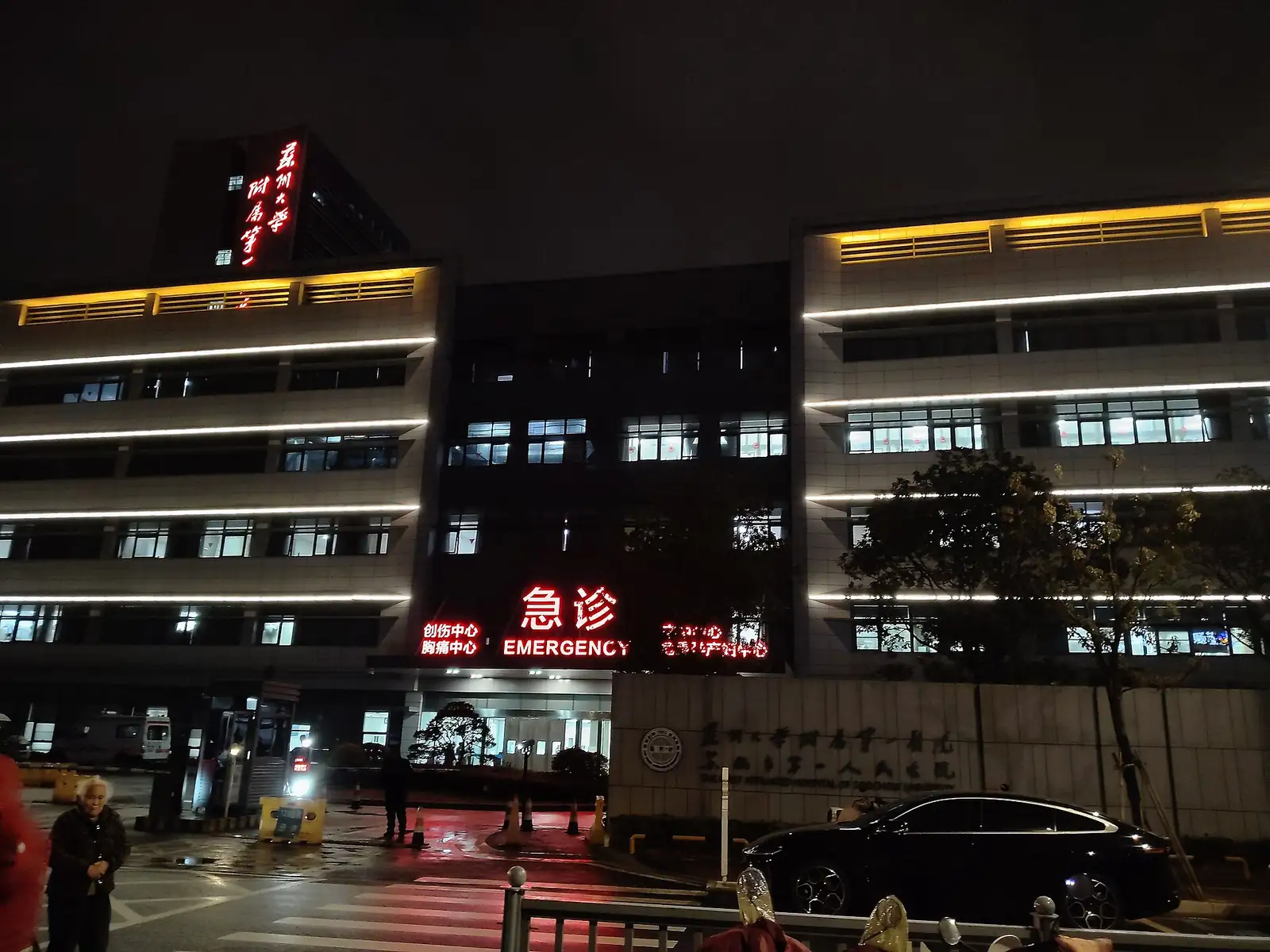
Hospital emergency entrance at night
真实照片/影像Real image夜间急诊入口。患者离开急诊后,责任要随交接完整移交。An emergency entrance at night: responsibility must move with the patient.Shwangtianyuan · CC BY-SA 4.0 · Wikimedia Commons

06 · 归处交接Disposition

交给下一个团队:结构化交接 + 24 小时内三次评估Hand over well, then do a tertiary survey within 24 hours

救治链最后一环最容易丢信息:未回报的检查、尚未处理的骨折、止血带时间。交接要点名责任人,并安排三次评估查漏。The last link loses information: pending results, untreated fractures, tourniquet time. Name owners and schedule a tertiary survey.

SBARSBAR

现状、背景、评估、建议;未解决问题单独列出。Situation, background, assessment, recommendation; list open issues.

待办Pending

未回报检查写明“待回报”并指定跟踪人和时间,不写成“未见异常”。Write pending results as pending, with an owner and time — never “normal”.

三次评估Tertiary survey

入院 24 小时内从头到脚再查一遍,发现漏诊损伤。Head-to-toe re-examination within 24 h to catch missed injuries.

ATLS 强调在初评与二次评估之后进行三次评估,以减少漏诊;交接时未解决问题必须有明确责任人。ATLS emphasises a tertiary survey after primary and secondary surveys to reduce missed injuries; open issues need named owners.

ATLS 11 · Secondary survey · I-PASS/SBAR handover

救治链上最常见的 4 个断点Four common breaks in the chain

✕不稳定的患者先送 CT “看清楚”。Sending an unstable patient to CT “to see clearly”.

✓先在床旁用 eFAST 和平片找出血来源,去手术室或介入止血。Use bedside eFAST and X-rays, then go to OR or IR to stop bleeding.

ATLS 11 · WSES

✕等完善所有检查后再联系上级医院。Waiting for all tests before calling the receiving hospital.

✓一旦判断本院能力不足,立即医生对医生联系,边稳定边准备转运。Once local capability is insufficient, call doctor-to-doctor and prepare transfer while stabilising.

ATLS 11

✕大量输注晶体液把血压“补正常”。Pouring crystalloid to “normalise” blood pressure.

✓出血控制前目标收缩压 80–90 mmHg(无颅脑损伤),尽早输血。Target SBP 80–90 mmHg before bleeding control (no TBI) and give blood early.

EU 2023 R13

✕交接写“CT 结果待查”,没有人跟进。“CT pending” with no one following up.

✓写明谁、何时追踪结果,以及结果异常时找谁。State who follows it up, when, and whom to call if abnormal.

SBAR · I-PASS

本课依据References for this course

  1. American College of Surgeons. ATLS® 11th ed. (2025)
  2. Rossaint R, et al. European guideline on major bleeding and coagulopathy following trauma, 6th ed. Crit Care 2023;27:80 — R1, R2, R13, R23, R31
  3. CRASH-2 collaborators. Lancet 2010;376:23–32 — 氨甲环酸tranexamic acid
  4. ACS COT. National Guideline for the Field Triage of Injured Patients (2021)
  5. NICE NG39. Major trauma: service delivery (2016)
  6. 国家卫生健康委办公厅. 关于进一步提升创伤救治能力的通知(国卫办医函〔2018〕477号)National Health Commission of China. Notice on improving trauma care capacity (2018, No. 477)

教学用途。剂量、阈值与转运标准以最新指南和本院流程为准;照片仅用于说明场景,不代表任何医院的流程。For teaching. Doses, thresholds and transfer criteria follow current guidelines and local protocols; photos illustrate settings only.

REAL SOURCES · READ → REASON → REASSESS

从载具到交接:信息持续向前From transport to handoff: information travels onward

真实照片呈现资源;课程流程图是教学概括,两者不能互相代替。Authentic photos show resources; course flowcharts are teaching summaries. They serve different purposes.

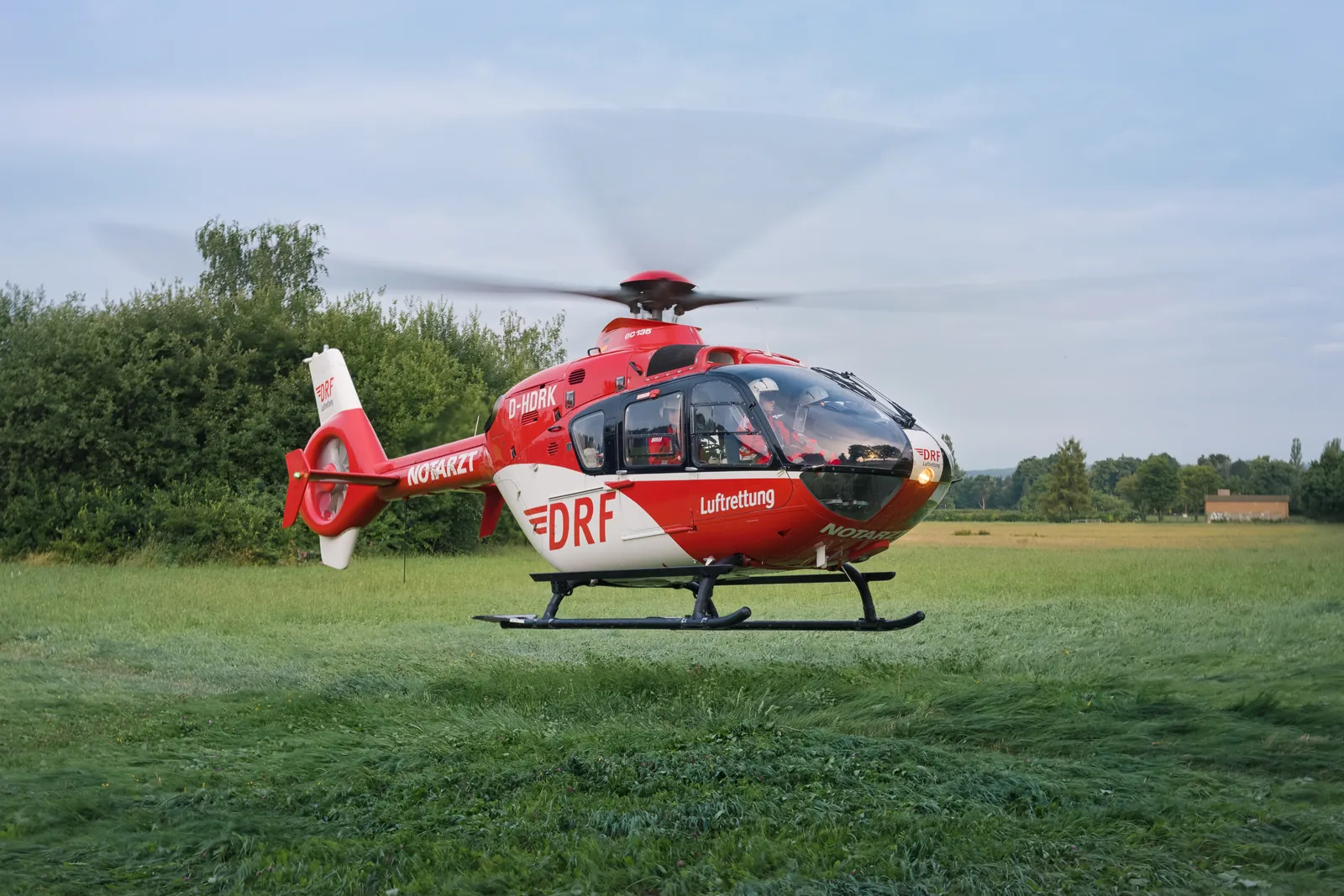
Authentic air-ambulance scene
真实空中救护场景Authentic air-ambulance scene

先看哪里Where to look

  • 把载具视为救治链的一环,讨论目的地能力、时间与交接信息。Treat the vehicle as one link in the pathway; discuss destination capability, time and handoff information.
这张图不能回答What this image cannot answer

照片不能证明某名患者需要空中转运,也不能比较转运方式的收益。The photo does not establish a patient’s need for air transport or comparative benefit.

原始图注与许可Original caption and licence

Julian Herzog(Wikimedia Commons 用户,本人作品) · CC BY 4.0(作者双许可 GFDL/CC BY 4.0,教学按 CC BY 4.0 署名) · Original source / 原图出处

DRF Luftrettung Eurocopter EC135 P2 Christoph 44 air ambulance helicopter (reg. D-HDRK, s/n 0477) during takeoff in Goettingen, Germany.

Wikimedia Commons 文件:DRF Luftrettung Eurocopter EC135 P2 Christoph 44 air ambulance helicopter during takeoff in Goettingen, Germany(无图号;原文件名 DRF Eurocopter EC135 Christoph 44 D-HDRK Goettingen 2017 03.jpg) · Wikimedia Commons 文件:DRF Luftrettung Eurocopter EC135 P2 Christoph 44 air ambulance helicopter during takeoff in Goettingen, Germany(无图号;原文件名 DRF Eurocopter EC135 Christoph 44 D-HDRK Goettingen 2017 03.jpg)

Source · CC BY 4.0(作者双许可 GFDL/CC BY 4.0,教学按 CC BY 4.0 署名)

保留原图;网页仅按比例显示。读图释义由课程另写,不是原作者诊疗结论。Original image retained and displayed proportionally. Teaching interpretation is separate from the original clinical conclusions.

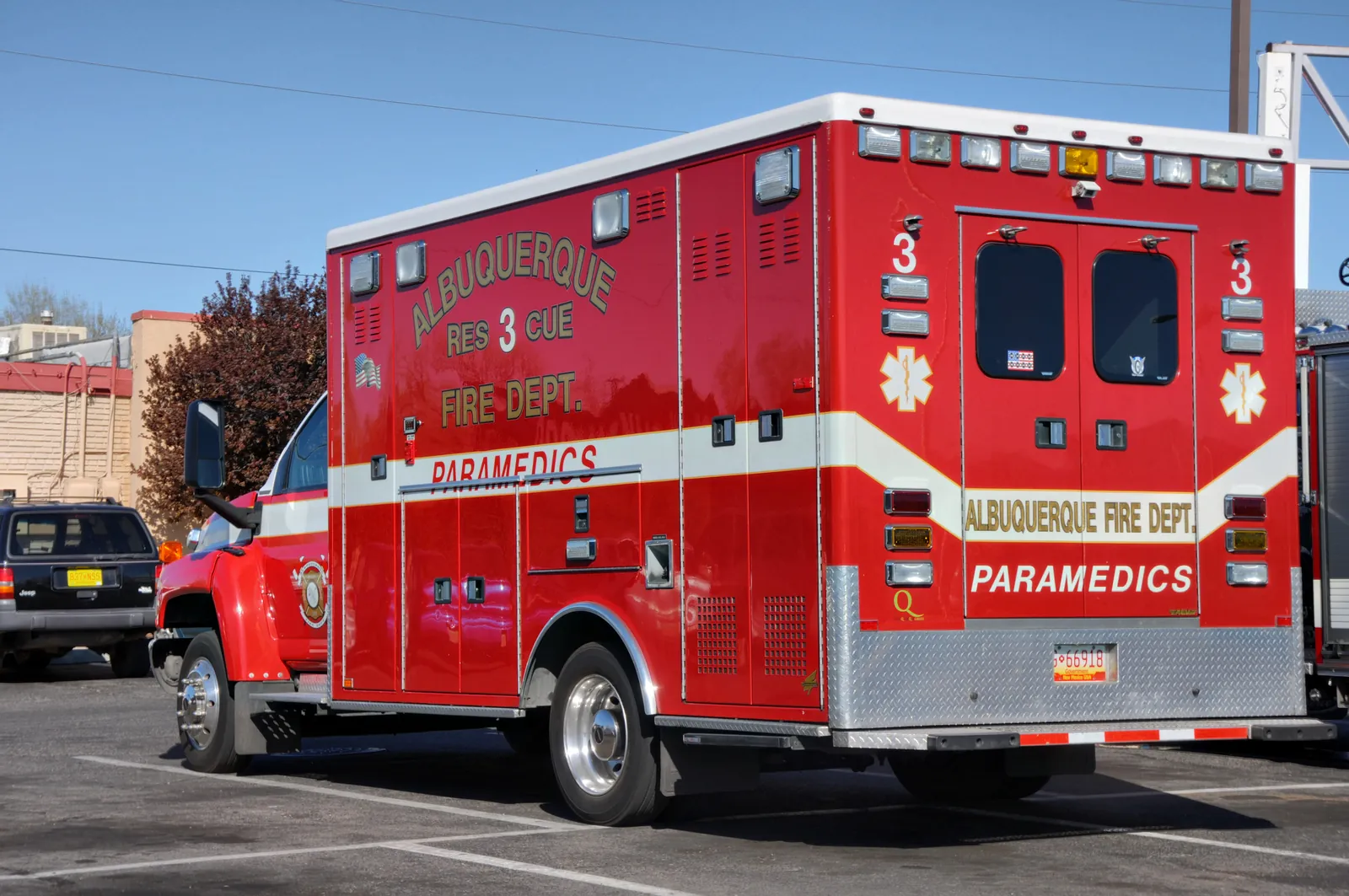
Authentic ground ambulance
地面救护车实景Authentic ground ambulance

先看哪里Where to look

  • 画面展示载具外观;练习把机制、趋势与已做事项交给下一团队。The image shows the vehicle exterior; practise handing over mechanism, trends and completed tasks.
这张图不能回答What this image cannot answer

画面无车内诊疗;不能据文件名想象救治过程。No treatment is visible inside; do not infer a care sequence from the filename.

原始图注与许可Original caption and licence

Jim Legans, Jr(Flickr 原作者) · CC BY 2.0 · Original source / 原图出处

This ambulance represents paramedics getting to a scene where someone needs medical attention.

Wikimedia Commons 文件:Paramedics in an ambulance(无图号;原文件名 Paramedics in an ambulance.jpg;来源 flickr.com/photos/9575673@N08/3388664448) · Wikimedia Commons 文件:Paramedics in an ambulance(无图号;原文件名 Paramedics in an ambulance.jpg;来源 flickr.com/photos/9575673@N08/3388664448)

Source · CC BY 2.0

保留原图;网页仅按比例显示。读图释义由课程另写,不是原作者诊疗结论。Original image retained and displayed proportionally. Teaching interpretation is separate from the original clinical conclusions.

01

目的地能力先说清Clarify destination capability

转运讨论应包含所需救治能力、预警内容、交通与资源状态,而不是只列医院名字。Transport discussions include required care capability, pre-alert information, access and resources, not just a hospital name.

02

交接携带变化Handoff carries change

连续传递机制、生命体征趋势、干预与反应、未解决问题以及下一责任人。Transmit mechanism, vital trends, interventions and responses, unresolved questions and the next responsible person.

03

每个过渡再确认Recheck at each transition

离开现场、到院和转科是重新评估的节点;“已经检查”不能代替当前状态。Departure, arrival and transfer between teams are reassessment points; completed tests do not replace current status.

核对依据、版本与适用范围Check evidence, version and scope

真实公开图用于观察训练;病例与指南各自标明来源,病例报告不能单独建立普遍治疗规则。Public images support observation training. Case reports and guidelines are distinguished; a case report alone cannot establish a general treatment rule. Clinical applicability remains pending teacher review.

信息组织 · 闭环沟通 · 动态复评Information · closed loop · reassessment

互动题:把救治链说清楚Interactions: Make the Care Chain Explicit

三个练习均使用合成情境,只评价信息分类、资源识别和团队语言,不评价个体化治疗选择。All three exercises use synthetic scenarios and assess information sorting, resource recognition, and team wording—not individualized treatment choices.

教学练习Teaching exercise
01

交接板排序Handoff board sorting

先区分事实、缺口、担忧与下一次复评。Separate facts, gaps, concerns, and the next reassessment.

合成交接片段Synthetic handoff

成人道路交通伤到院,团队正在整合院前信息、生命体征趋势和已完成检查。An adult arrives after a road-traffic injury while the team integrates prehospital information, vital-sign trends, and completed investigations.

完成四项分类后查看反馈。Complete all four classifications to see feedback.

02

资源地图标注Resource map labeling

识别“被提到的资源”及其状态差异。Identify mentioned resources and distinguish their status.

团队信息Team information

影像团队已收到预警;血库已联络;手术/介入资源状态待协调;接收单元责任人尚未明确。Imaging has received the pre-alert; the blood bank has been contacted; operating/interventional capacity is pending coordination; the receiving-unit owner is not yet identified.

勾选交接中被提到的资源Select resources mentioned in the handoff

提示:被提到并不等于已经可用。Hint: mentioned does not mean available.

03

复评触发语言Reassessment trigger language

选择能启动团队信息整合与复述确认的短句。Choose wording that triggers team integration and check-back.

哪一句最适合当前团队沟通?Which phrase best supports the team now?

CALL-OUT → CHECK-BACK
发送者说明变化与请求,接收者复述重点和下一责任。The sender states the change and request; the receiver repeats the key point and next responsibility.

选择后查看为什么这句话更适合闭环沟通。Choose an option to see why it better supports closed-loop communication.

来源与审核状态Sources and Review Status

  • 急诊创伤流程路径知识库作为课程结构输入,不作为公开医学 claim 自动批准。The emergency trauma pathway knowledge base is used as course-structure input, not automatic approval of public medical claims.

    source_index_pending_review
  • 创伤团队、血库、影像、手术、介入、ICU 和转运资源路径需本院授权流程确认。Trauma team, blood bank, imaging, surgery, interventional services, ICU, and transfer resource pathways require local institutional confirmation.

  • 救治链课程需要项目负责人或指定创伤专家终审后才可进入正式教学使用。The care-chain course requires final review by the project lead or designated trauma specialist before formal teaching use.

临床判断与关键步骤Clinical decisions and key steps

具体方案;以本院为准;每项数字同时核对人群、阶段和来源。Follow institutional protocols; check population, stage and source with every number.

从预警到归处:国内标准与交接Pre-alert to disposition: standards and handover

预警要素Pre-alert elements

年龄/性别、事件时间、机制、疑似损伤、生命体征及GCS、已做措施和反应、预计到达时刻、特殊需求。Age/sex, event time, mechanism, suspected injuries, vitals/GCS, actions/response, arrival estimate and special needs.

WS/T 815:双方核对时间、伤情与措施,院前/院内交接者签名;推荐14采用ATMIST结构,推荐16以xABCDE为训练基础。WS/T 815: verify timing, injuries and actions, with prehospital/in-hospital signatures; recommendation 14 uses ATMIST, recommendation 16 trains xABCDE.

记录员和可衡量的资源时间Recorder and measurable resource timing

指定记录员实时记录,团队负责人检查完整性;结构化交接文书、影像与待回报结果随患者同行。Assign contemporaneous recording and leader review; transfer structured records, images and pending-result ownership with the patient.

质量指标:MTP启动至首单位红细胞、首批血浆到达/输注时间分别记录;先约定起止定义,不编造统一达标分钟数。Measure MTP activation to first red cells and plasma arrival/administration separately; define endpoints locally without inventing a universal minute target.

WS/T 815—2023 严重创伤院前与院内信息链接标准WS/T 815—2023 severe-trauma information linkage · 中华医学会相关学组:重伤院前救治共识(2026)Chinese expert consensus on prehospital major trauma (2026) · NICE NG39 重大创伤NICE NG39 major trauma

院间转运前:一张核查清单Interhospital transfer: one preparation checklist

人、设备、药品、文书People, equipment, medicines, records

确认接收医院与床位、风险和转运团队;处理可纠正威胁,核查气道、循环、脊柱活动限制、保暖和镇痛。Confirm receiving team/bed, risk and escort team; address reversible threats and check airway, circulation, SMR, temperature and analgesia.

设备:氧源与备用、吸引、通气设备、ECG/SpO₂/BP监护;人工气道持续波形EtCO₂。药品与泵、备用电池按路程准备。Check oxygen/reserve, suction, ventilation, ECG/SpO2/BP and continuous waveform capnography for an artificial airway; prepare medicines, pumps and batteries for the journey.

带走诊疗摘要、给药/输血记录、影像及结果、告知与应急计划;孕产妇使用专门转运补充指南。Carry clinical summary, medication/blood records, imaging/results, communication and contingency plan; use the maternity transfer supplement where applicable.

ICS 成人重症转运指南第5版(2026)ICS transfer of critically ill adults, fifth edition (2026)

课后测 · 5 题Posttest · five questions

每题 1 分;用于形成性反馈。One point per item; formative feedback.

合成情境题Synthetic vignette 1. 43岁男性交通伤员尚在救护车转运途中,HR144次/min、BP78/48 mmHg、SpO₂90%。胸部压痛、呼吸费力,团队收到伤情和已实施措施,却没有预计到院时间,需并行准备。下一步最合适的是?A 43-year-old man remains in ambulance transfer after a road collision; HR 144/min, BP 78/48 mmHg, SpO₂ 90%. He has chest tenderness and labored breathing. Injuries/actions were reported, but ETA is missing from the pre-alert. What is the most appropriate next step?
合成情境题Synthetic vignette 2. 43岁女性高处坠落后转入创伤中心,HR144次/min、BP78/48 mmHg、SpO₂90%。下肢已加压止血,接收者已知年龄、机制和伤部;伤后时长与途中复苏反应尚未交代。下一步最合适的是?A 43-year-old woman is transferred after a fall; HR 144/min, BP 78/48 mmHg, SpO₂ 90%. Limb pressure control is in place. Age, mechanism and injuries are known, but time since injury and response to treatment are missing. What is the most appropriate next step?
3. 比较MTP响应效率时,除输血总量还应追踪什么?Beyond total transfusion volume, what measures MTP response efficiency?
4. 插管危重患者转运前,哪组设备核查不能省略?Which equipment checks are essential before transferring an intubated critically ill adult?
5. 转院时仍有待回报检查,交接应如何闭环?How should a pending investigation be closed-loop handed over during transfer?